Tow straps are widely used in roadside assistance, off-road recovery and emergency towing. However, many users still do not clearly understand how tow straps actually work, or why their working principle is very different from other recovery tools such as a winch strap.
This guide focuses on the real operating logic behind tow straps — how pulling force is created, how it is transferred between vehicles, and why correct connection and driving behavior are essential for safe and effective recovery.
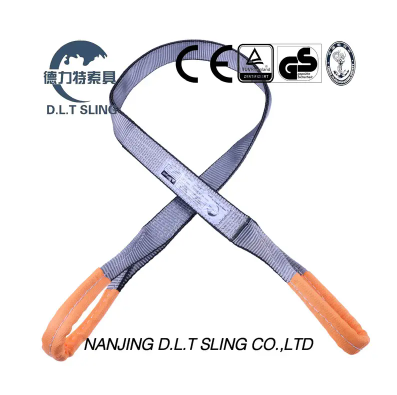
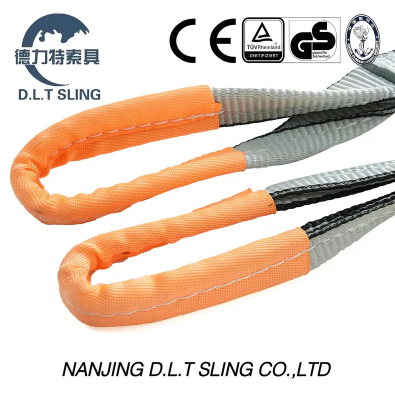
What Tow Straps Are and Why They Are Used
Tow straps are flat synthetic webbing straps, most commonly made from polyester, designed to connect two vehicles so that one vehicle can pull another under controlled tension.
Their main purpose is not to lift a vehicle and not to generate sudden impact force. Instead, tow straps are designed to provide steady and predictable traction during light recovery and short-distance towing.
In real working environments, tow straps are typically used in the following situations:
• roadside breakdown recovery
• vehicles stuck in mud, sand or snow
• short-distance towing to a safe area
• light off-road assistance
Tow straps remain widely used because they are simple to operate, lightweight, easy to store, and suitable for many everyday recovery tasks.
Basic definition of tow straps
A tow strap is a traction strap designed to work under continuous pulling load. It connects a towing vehicle and a disabled vehicle and transfers pulling force directly through the webbing structure.
Main purpose of tow straps in vehicle recovery
The primary role of a tow strap is to help a vehicle move gradually under controlled force. It is intended to assist rolling or sliding movement, rather than sudden extraction.
Typical real-world scenarios where tow straps are used
Tow straps work best when:
• the vehicle can still roll or move
• the resistance is moderate
• there is enough space to pull smoothly
They are ideal for simple recovery operations where controlled movement is sufficient.
Why tow straps are still widely used in modern recovery operations
Compared with complex mechanical recovery equipment, tow straps can be deployed very quickly. For many light recovery jobs, especially in roadside or outdoor environments, tow straps offer an efficient and practical solution.
How Tow Straps Work – The Core Working Principle
Tow straps work by transferring pulling force directly from one vehicle to another through tension in the webbing.
When the towing vehicle begins to move forward, slack in the strap is removed and tension is created. This tension then pulls the disabled vehicle and helps it overcome rolling resistance or surface resistance.
How force is transferred through a tow strap
The pulling force is carried by thousands of woven polyester fibers inside the strap.
During loading:
• the fibers align in the pulling direction
• the load is distributed across the width of the webbing
• force is transferred evenly between both attachment points
This structure allows tow straps to handle high traction loads while remaining flexible.
How tension is generated between two vehicles
Tension is created only after the strap becomes straight and tight. The towing vehicle gradually increases forward movement, and the pulling force builds progressively rather than instantly.
This gradual force build-up is a key feature of how tow straps work.
How tow straps create controlled traction instead of impact force
Tow straps transmit force directly and continuously. They do not store large amounts of elastic energy.
Because of this, tow straps are suitable for:
• controlled towing
• gentle recovery operations
• stable vehicle movement
Why tow straps are designed for steady pulling, not sudden recovery
Tow straps have relatively low stretch. If the towing vehicle accelerates suddenly, the pulling force is transferred immediately to the webbing and vehicle connection points.
For this reason, tow straps are not intended for aggressive pulling or shock recovery.
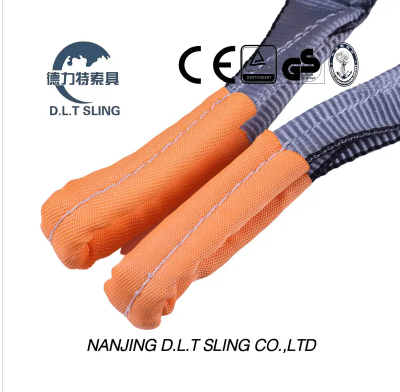
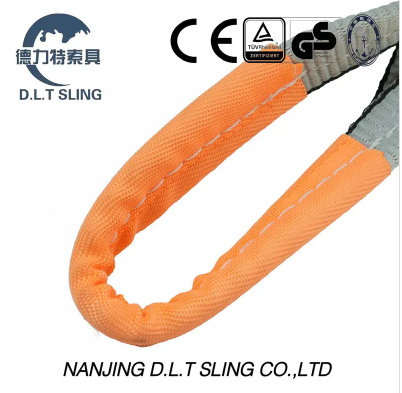
How Tow Straps Differ from Other Vehicle Recovery Straps
Confusing different recovery products is one of the main reasons recovery operations fail or become dangerous.
How tow straps differ from winch strap
A tow strap works only when one vehicle pulls another by driving forward.
A winch strap is designed to be pulled by a mechanical winch system.
The way force is generated and controlled is completely different.
How tow straps differ from snatch straps
Tow straps are designed for steady traction.
Snatch straps are designed to stretch and release energy to create kinetic pulling force.
Tow straps do not provide the elastic energy required for dynamic recovery.
Why tow straps are not designed for lifting or shock loading
Tow straps are not lifting slings and should never be used to lift vehicles or loads. They are also not suitable for sudden impact loads, because the force is transferred directly into the fibers and fittings.
When tow straps are the correct solution and when they are not
Tow straps are suitable when:
• steady pulling is enough
• vehicles can move gradually
• recovery conditions are relatively mild
They are not suitable for deeply stuck vehicles or severe recovery situations that require stored energy or mechanical pulling systems.
How Winch Strap Works and How It Is Related to Tow Straps
Tow straps and winch strap products may look similar, but their working principles are very different.
Basic working principle of a winch strap
A winch strap operates together with a powered or manual winch. The winch winds the strap onto a drum and generates pulling force through mechanical drive.
The pulling force is created by the winch system rather than vehicle movement.
How winch straps transfer pulling force through a winch system
The winch controls:
• pulling speed
• pulling direction
• load progression
This allows recovery operations to be carried out in a very stable and controlled manner.
Main functional differences between tow straps and winch straps
The main differences are:
• tow straps rely on vehicle motion
• winch strap relies on mechanical pulling
• tow straps require coordinated driving
• winch strap allows stationary recovery
Typical applications for winch strap compared with tow straps
Tow straps are more suitable for light recovery and short towing tasks.
Winch strap systems are more suitable when:
• the vehicle cannot move under its own power
• recovery must be slow and highly controlled
• the terrain is steep, narrow or unstable
What Makes Tow Straps Work Safely
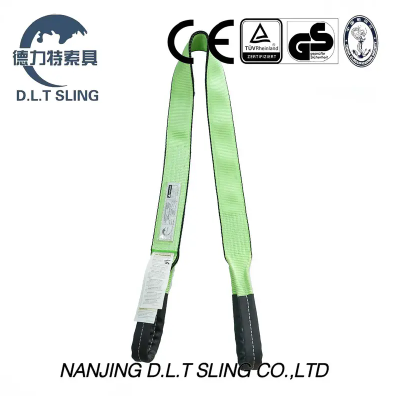
The ability of tow straps to work safely does not depend on strength alone. It depends on how the webbing, stitching and connection system work together to control force during towing.
Role of webbing material in force transmission
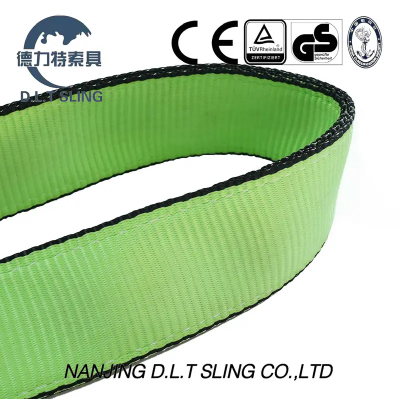
The polyester webbing carries the pulling force along its full width. This wide load path helps spread stress across many fibers instead of concentrating it in a single point. As a result, the strap remains stable and predictable when tension increases.
Why low stretch is important for controlled towing
Tow straps are designed with relatively low elongation. This allows the towing vehicle to directly control movement and speed. Low stretch makes it easier for the driver to feel resistance and adjust throttle input during recovery.
How stitching and end fittings affect load distribution
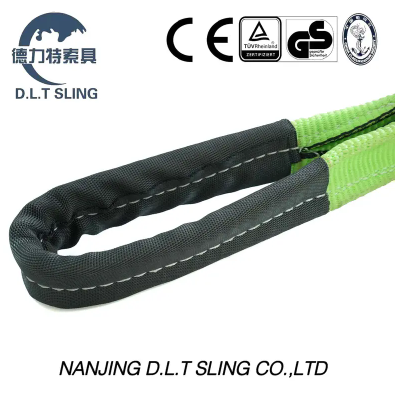
The stitched areas and reinforced loops are critical structural parts. They transfer the webbing load into hooks or connection loops and ensure that the force remains aligned with the strap body.
Poor stitching or damaged loops can disturb load flow and significantly reduce the working capability of tow straps.
Why correct attachment points are essential for proper function
Tow straps can only work correctly when the pulling force is aligned with proper recovery points on the vehicle. Incorrect attachment points change the load direction and may cause twisting, side loading and uneven stress.
How Load Ratings Affect the Way Tow Straps Work
Load ratings directly influence how tow straps behave during real recovery operations.
What WLL means in real towing operations
WLL represents the maximum safe working force that a tow strap can carry under normal operating conditions. It defines the safe operating zone of the strap.
How safety factors are built into tow straps
Tow straps are designed with a safety factor between the working load and the ultimate strength. This margin helps absorb normal variations in loading during towing.
Why breaking strength does not represent real working performance
Breaking strength only indicates the failure point under laboratory testing. It does not reflect real towing behavior such as surface resistance, dynamic movement or uneven loading.
How incorrect load selection changes the behavior of tow straps
If a tow strap is selected too close to the actual pulling demand, even small changes in terrain or vehicle resistance may push it beyond safe operating limits.
How Tow Straps Perform Under Different Recovery Conditions
The way tow straps work changes noticeably under different ground and terrain conditions.
How tow straps work on flat and stable ground
On flat and firm surfaces, tow straps work in a very predictable way. Most of the pulling force is used to overcome rolling resistance, and tension remains relatively stable.
How tow straps behave in mud, sand and snow
Soft surfaces increase resistance dramatically. Tow straps must transmit higher pulling force, and tension builds more quickly. In these situations, smooth driving and higher capacity selection become more important.
How slopes and rolling resistance affect pulling force
Uphill towing increases the required force significantly. Even small slopes can change how hard the tow strap must work and how quickly tension rises.
How vehicle weight and resistance influence strap performance
Heavier vehicles and vehicles with locked wheels or severe drag create higher and more irregular loads. This directly affects how tow straps perform and how close they operate to their working limits.
How Tow Straps Are Properly Connected to Make Them Work Correctly
Correct connection is part of how tow straps actually work.
How connection points affect force direction
The location of the recovery points determines how the force enters the vehicle structure. Proper points allow the pulling force to remain straight and aligned.
How straight alignment improves strap performance
When the two vehicles are aligned, the tow strap remains straight and evenly loaded across its width.
How twisted or misaligned straps reduce efficiency
Twisting or angled pulling causes uneven fiber loading and increases localized stress, which can shorten the service life of tow straps.
How hooks and loops influence load transfer
Properly sized hooks and reinforced loops help ensure that the force enters the webbing gradually rather than abruptly.
How Driving Behavior Influences the Way Tow Straps Work
The driver controls how tow straps behave more than the strap itself.
Why smooth acceleration is essential for proper strap performance
Gradual throttle input allows tension to build smoothly and prevents sudden stress spikes.
How sudden pulling changes force characteristics
Rapid acceleration creates instant tension and can exceed safe working levels before the driver can react.
How braking and steering affect strap tension
Sudden braking increases tension instantly. Sharp steering while towing may introduce side loads into the strap.
Why coordination between drivers is part of how tow straps work
Tow straps rely on two vehicles acting together. Poor coordination causes irregular loading and unstable tension.
How Tow Straps Can Fail and Why
Understanding failure mechanisms explains why correct use is essential.
How overloading affects webbing fibers
Overloading stretches fibers beyond their designed working range, causing internal damage even if no visible break appears.
How abrasion and sharp edges weaken tow straps
Continuous rubbing or sharp edges gradually cut fibers and reduce effective load capacity.
How knots and twists change internal stress distribution
Knots and twists create tight bends that concentrate stress and significantly lower working strength.
How damaged stitching or hardware leads to failure
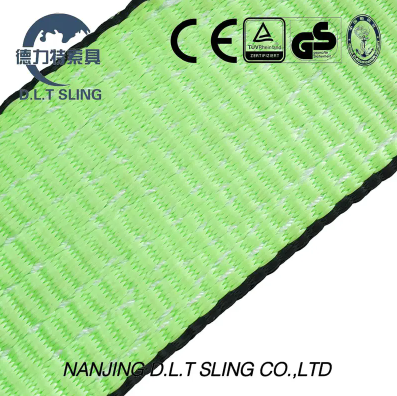
The stitched sections and fittings are common failure points if they are worn or damaged.
Common Misunderstandings About How Tow Straps Work
Misunderstanding the working principle leads to incorrect expectations.
Why tow straps do not absorb impact like snatch straps
Tow straps have limited stretch and do not store recovery energy.
Why stronger does not always mean safer
Oversized straps do not solve poor technique, improper attachment or incorrect recovery methods.
Why tow straps cannot replace winch strap systems
Tow straps rely on vehicle movement, while winch strap systems rely on controlled mechanical pulling.
Why tow straps should not be used as lifting equipment
They are designed for horizontal traction only.
How to Choose Between Tow Straps and Winch Strap
When tow straps are more suitable than winch strap
Tow straps are suitable when:
• vehicles can still roll
• recovery distance is short
• the situation allows smooth driving
When winch strap is the better solution
Winch strap systems are better when:
• the vehicle cannot move
• space is limited
• controlled and slow pulling is required
How terrain and recovery distance affect selection
Long recovery distances and steep terrain favor winch systems.
How equipment availability changes the recovery method
The available recovery tools often determine whether towing or winching is the safest option.
How to Maintain Tow Straps to Keep Them Working Properly
How cleaning affects webbing performance
Removing mud and grit prevents long-term fiber damage.
How storage conditions influence material life
Dry, shaded and clean storage slows material degradation.
How regular inspection ensures consistent performance
Frequent inspection allows early detection of damage.
When tow straps should be retired
Straps with damaged webbing, stitching or unreadable labels should be removed from service.
Frequently Asked Questions About How Tow Straps Work
Do tow straps stretch during recovery
They stretch slightly under load but are not designed for elastic recovery.
Can tow straps be connected together to increase length
It is safer to use a single properly rated longer strap.
Do tow straps work the same for all vehicle types
Vehicle weight and resistance change how tow straps behave.
Is a winch strap stronger than a tow strap
They are designed for different working systems, not simply different strength levels.
Understanding How Tow Straps Work for Safer Recovery
Understanding how tow straps work means understanding how force, movement and control interact during towing.
Key working principles of tow straps
Tow straps transfer force directly, require smooth driving, proper alignment and correct load selection.
Final recommendations for using tow straps and winch strap correctly
Selecting the correct recovery method, using appropriate equipment and applying controlled driving behavior are the foundations of safe and effective vehicle recovery.
For users who need reliable and professionally manufactured winch strap products, NANJING D. L. T SLING Co., Ltd. provides a complete range of polyester recovery and towing straps for different vehicle assistance and cargo control applications. With over 20 years of experience in webbing and lashing product manufacturing, strict quality control procedures and stable raw material supply, the company delivers consistent performance, clear load labeling and dependable product quality—helping distributors, recovery service providers and industrial users carry out safer and more efficient towing and recovery operations.


