Tow straps are essential tools for emergency towing and light vehicle recovery. Whether you are a roadside assistance operator, an off-road driver, or a private vehicle owner preparing for unexpected situations, knowing how to use tow straps correctly is critical for safety, efficiency, and equipment protection.
This guide focuses on real working conditions and practical operation. It explains what tow straps are, why proper use matters, how to understand basic load ratings, how to choose suitable tow straps, and how to inspect and connect them correctly.
What Are Tow Straps and What Are They Used For
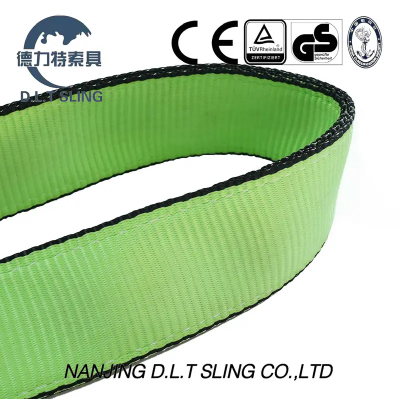
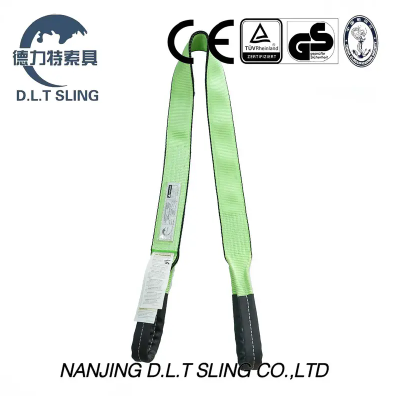
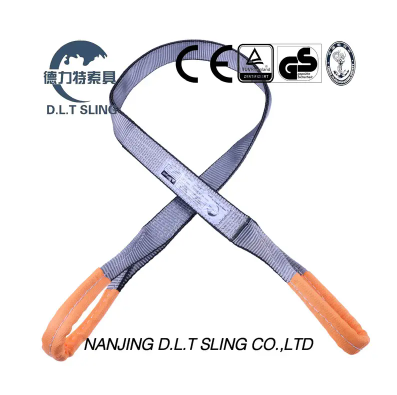
Tow straps are flat synthetic webbing straps, most commonly made from polyester, designed for temporary towing and light vehicle recovery. Their primary function is to connect a disabled vehicle to a recovery vehicle so that a steady and controlled pulling force can be applied.
In everyday situations, tow straps are widely used during roadside breakdowns, vehicles stuck in snow, sand or soft ground, and short-distance towing to a safer location. They are intended for smooth and continuous traction, not for lifting vehicles and not for high-impact pulling.
Basic definition of tow straps
A tow strap is a traction strap designed to work under constant tension. Compared with dynamic recovery products, it usually has limited stretch, which allows the pulling force to be applied in a more predictable and controllable way.
Typical applications of tow straps
Tow straps are suitable for emergency vehicle assistance, light off-road recovery, and short-distance towing on relatively stable ground where steady pulling is required.
Tow straps and other recovery products
Tow straps should not be confused with snatch straps, which are designed to stretch and generate kinetic energy. They are also different from ratchet straps, which are intended for cargo securing rather than vehicle recovery. Selecting the correct type of strap is the first step to safe towing.
Why Proper Use of Tow Straps Is Important
Improper use of tow straps is one of the most common causes of towing and recovery accidents. Incorrect attachment points, damaged webbing, excessive load, or sudden pulling can easily result in strap failure, broken hooks, vehicle damage, and serious injuries.
When tow straps are used properly, the pulling force remains stable and controlled. This reduces stress on vehicle recovery points and helps maintain better control of both vehicles during the operation. Proper technique also extends the service life of the tow strap itself.
In practical terms, correct use of tow straps protects three things at the same time: the people involved, the vehicles being recovered, and the recovery equipment.
Understanding Tow Strap Ratings Before Use
Before using any tow straps, users should clearly understand the load information shown on the product label.
What is WLL (Working Load Limit)
WLL refers to the maximum load that a tow strap is allowed to carry during normal and safe operation. It represents the real working capacity of the strap in practical conditions.
Difference between WLL and breaking strength
Breaking strength describes the force at which the strap may fail during laboratory testing. WLL is significantly lower and includes a safety factor. In real towing operations, users should always rely on the WLL value, not the breaking strength.
Why WLL should be used when selecting tow straps
When selecting tow straps, only the WLL provides a realistic reference for safe use. Choosing a strap only based on maximum or theoretical strength can lead to dangerous overloading during actual recovery.
How to judge whether a tow strap is suitable
In practice, users should consider the vehicle weight and the recovery conditions, such as soft ground, slopes or rolling resistance. If the vehicle is deeply stuck or operating conditions are demanding, a higher rated tow strap should be selected to provide a safer working margin.
How to Choose the Right Tow Straps for Your Application
Selecting suitable tow straps depends on the type of vehicle and the expected working environment.
Choosing tow straps by vehicle type
Passenger cars and small SUVs normally require lower rated tow straps for emergency towing. Pickup trucks and light commercial vehicles usually need higher WLL ratings to ensure sufficient capacity during recovery.
Choosing tow straps by width and length
Wider straps generally distribute force more evenly and provide higher strength. Proper length helps maintain a safe distance between vehicles and allows smoother vehicle movement during towing.
Material considerations for tow straps
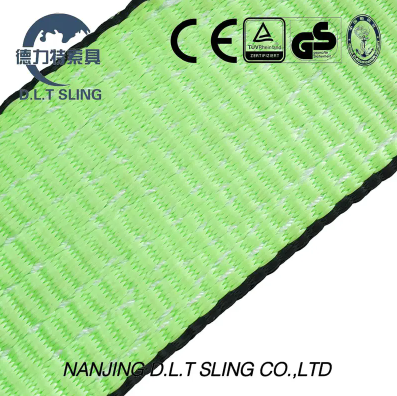
Polyester tow straps are widely used because they provide good abrasion resistance, stable performance and limited elongation under load, making them suitable for controlled towing operations.
Hook and end fitting selection
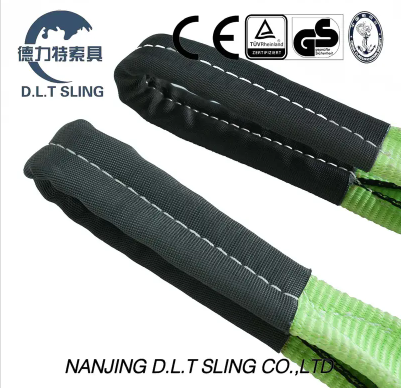
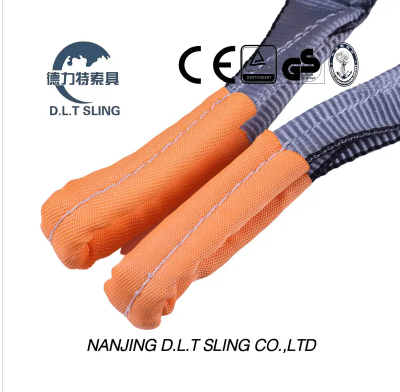
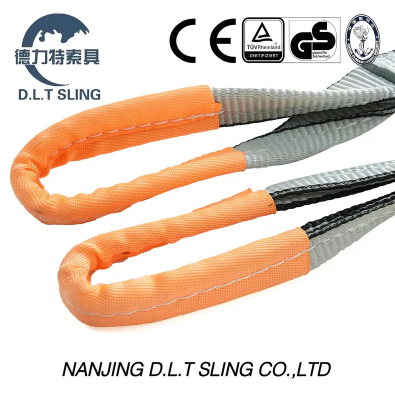
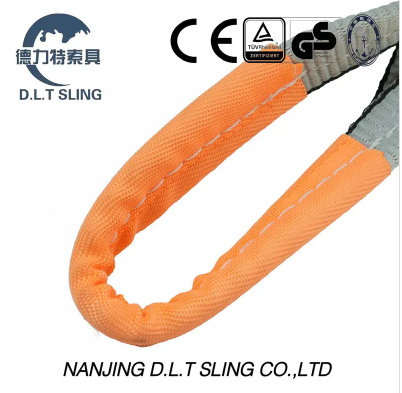
Hooks or loops should match the vehicle’s designated recovery points. Properly sized and correctly oriented fittings help prevent slipping and reduce stress concentration during towing.
How to Inspect Tow Straps Before Use
Inspection before use is one of the most effective safety measures when working with tow straps.
Checking the label and capacity marking
The label must be clearly visible and readable. If the WLL, size or manufacturer information cannot be identified, the tow strap should not be used.
Inspecting the webbing condition
The webbing should be checked for cuts, severe abrasion, melted fibers, burn marks and signs of chemical exposure. Any visible damage may significantly reduce the strength of the strap.
Checking hooks and stitching
Hooks, loops and stitching areas should be examined for deformation, cracks, broken threads or loosened seams. Damaged fittings and stitching are common failure points during towing operations.
How to Use Tow Straps Step by Step
Correct connection and controlled operation are essential for safe towing.
Preparing the vehicles before connection
Both vehicles should be positioned as straight as possible to avoid side loading. Drivers should agree on communication signals before the recovery starts.
Selecting correct vehicle connection points
Tow straps must only be attached to approved towing or recovery points, such as factory tow hooks or reinforced recovery eyes. Suspension components, bumpers and non-structural parts must never be used.
Attaching the tow strap correctly
The webbing should be laid flat without twists. Hooks should be seated fully and aligned with the direction of the pulling force to avoid side loading.
Starting the towing process safely
The pulling vehicle should apply force gradually and smoothly. Sudden acceleration and shock loading must be avoided. During movement, both drivers should maintain low speed and constant awareness of vehicle behavior and strap condition.
Correct Towing Practices When Using Tow Straps
Once the tow straps are properly connected and the vehicles are ready, correct driving behavior becomes the most important safety factor. Tow straps are designed for controlled traction, not for aggressive pulling.
Recommended towing speed and distance
Towing should always be carried out at low speed and over short distances only. Tow straps are mainly intended to help a vehicle move out of a dangerous or stuck position, or to reach a nearby safe area. Long-distance towing should be handled with professional towing equipment.
Keeping constant and stable tension
The pulling vehicle should maintain smooth and steady movement. A stable pulling force keeps the strap working within its designed range and reduces unnecessary stress on the recovery points.
Avoiding sudden acceleration and braking
Sudden throttle input or harsh braking can create shock loads. These dynamic forces can easily exceed the working capacity of tow straps, even when the WLL seems sufficient.
Communication between the two vehicles
Clear communication between drivers is essential. Hand signals, phone communication or walkie-talkies help ensure that both drivers react in a coordinated manner during the recovery process.
Common Mistakes When Using Tow Straps
Many accidents occur because tow straps are used incorrectly, even when the product itself is in good condition.
Using tow straps for lifting operations
Tow straps are not lifting slings. They are not designed for vertical lifting and must never be used to raise vehicles or loads.
Overloading tow straps
Selecting tow straps without considering WLL or recovery conditions can easily lead to overload. Deeply stuck vehicles or uphill towing require higher pulling force than simple rolling recovery.
Using damaged or unlabelled tow straps
Tow straps with missing labels or visible damage should always be removed from service. Without clear capacity information, safe use cannot be guaranteed.
Connecting to unsafe vehicle points
Attaching tow straps to bumpers, suspension arms or decorative towing eyes can cause serious vehicle damage and sudden detachment during recovery.
Allowing sharp edges to contact the webbing
Unprotected contact with sharp metal edges can cut or severely weaken the strap during towing.
Safety Warnings and Precautions for Tow Straps
Understanding basic safety principles is critical before every towing operation.
Tow straps must not be used as lifting equipment
Tow straps are designed only for horizontal traction. Using them for lifting creates unpredictable loading conditions and increases the risk of failure.
Knots must never be tied in tow straps
Tying knots significantly reduces the strength of the webbing and creates stress concentration points. A knotted strap may fail at much lower loads than its rated capacity.
Edge protection should be used when necessary
If the strap passes over vehicle edges or metal surfaces, protective sleeves or edge protectors should be used to prevent abrasion and cutting.
Twisted straps should be avoided
A twisted tow strap does not distribute load evenly. This can lead to uneven stress on the fibers and premature damage.
How to Store and Maintain Tow Straps After Use
Proper storage and maintenance help extend the service life of tow straps and ensure consistent performance.
Cleaning tow straps after recovery operations
After use, tow straps should be cleaned to remove mud, sand, oil or chemical residue. Dirt particles can slowly damage the fibers during repeated use.
Drying and proper storage conditions
Tow straps should be fully dried before storage. They should be kept in a clean, dry and shaded area, away from direct sunlight, heat sources and chemicals.
Regular inspection and replacement
Tow straps should be inspected regularly, even when not in use. Any strap showing serious wear, damaged stitching or hardware deformation should be replaced immediately.
Who Should Use Tow Straps
Tow straps are suitable for a wide range of users when applied correctly.
Professional roadside assistance and recovery services
Tow straps are commonly used for light recovery tasks and short-distance towing during emergency operations.
Off-road drivers and outdoor users
Tow straps are essential tools for off-road drivers who may encounter sand, mud or snow during outdoor activities.
Private vehicle owners
Tow straps are practical emergency tools for everyday drivers who want basic recovery capability in unexpected situations.
When Tow Straps Are Not the Right Solution
Tow straps are not suitable for every recovery situation.
Situations requiring snatch straps
If a vehicle is deeply bogged and requires kinetic energy for extraction, snatch straps are more appropriate than standard tow straps.
Situations requiring winches or heavy recovery equipment
Steep slopes, unstable terrain or heavy vehicles may require winches, recovery anchors or professional recovery systems.
Heavy-duty recovery scenarios
Large trucks and severely immobilized vehicles should be handled using certified heavy-duty recovery equipment and trained personnel.
Frequently Asked Questions About Tow Straps
How strong should tow straps be for my vehicle
The tow strap should always be selected based on its WLL and the expected recovery conditions. When operating in soft ground or difficult terrain, a higher capacity strap is recommended.
Can tow straps be used for daily or long-distance towing
Tow straps are intended mainly for temporary and short-distance towing. For regular or long-distance towing, professional towing systems should be used.
Can two tow straps be connected together
Connecting multiple straps increases the number of potential failure points. If longer reach is required, a single properly rated longer strap is recommended.
How long can tow straps be used safely
There is no fixed service life. Tow straps should be replaced when visible damage, severe wear or loss of label information is observed.
How to Use Tow Straps Safely and Effectively
Tow straps are simple tools, but their safe use depends entirely on correct selection, inspection and operating behavior.
Key safety principles for tow straps
Always follow the WLL, use proper attachment points, avoid shock loading, and protect the webbing from damage.
Final tips for safe towing
With proper preparation, clear communication and careful driving, tow straps can provide a reliable and effective solution for emergency vehicle recovery and short-distance towing.
If you are looking for reliable and professionally manufactured tow straps for real recovery applications, NANJING D. L. T SLING Co., Ltd. offers a complete range of polyester tow straps and vehicle recovery products designed for safety, consistency and long-term performance. With more than 20 years of experience in webbing and lashing product manufacturing, strict quality control systems and compliance with international standards, we provide stable and dependable towing solutions for distributors, recovery service companies and industrial users worldwide. From material selection to final inspection, every tow strap is produced with the same focus on safety, durability and practical field use — helping our customers recover vehicles more safely and with greater confidence.


