

close
Choose Your Site
Global
Social Media


Views: 0 Author: Site Editor Publish Time: 2025-12-17 Origin: Site


When it comes to Industrial Lifting heavy machinery, selecting the right lifting straps is crucial. Machinery lifting straps play a vital role in ensuring the safe, efficient, and damage-free transportation of equipment in various industrial settings. Whether you are moving large machines for installation, maintenance, or repositioning, understanding the key features of lifting straps for machinery will ensure you select the right tools for the job. This guide will provide you with all the information you need to make informed decisions about choosing, using, and maintaining machinery lifting straps.
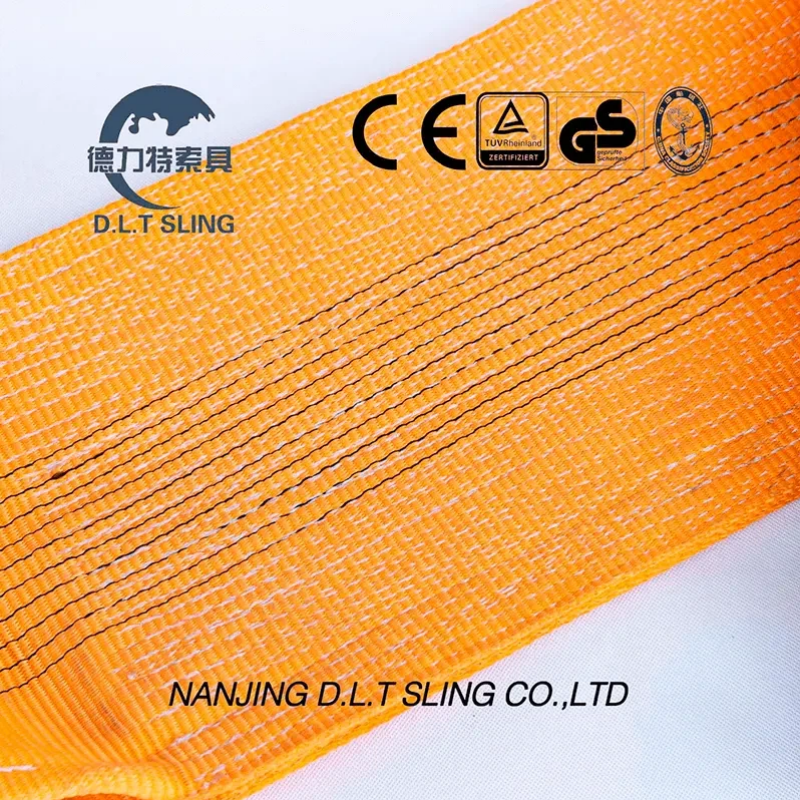
Machinery lifting straps are essential tools designed for lifting heavy machinery and equipment. These straps are typically made from synthetic webbing materials, such as polyester, and are used to secure and lift machinery without causing damage to the equipment or surrounding areas.
While other types of lifting equipment, such as industrial webbing slings, wire rope slings, or chain slings, can also be used for lifting machinery, lifting straps offer specific advantages for certain applications.
Wire rope slings are often used for extremely heavy loads, but they are less flexible and can damage the surfaces of the equipment being lifted.
Chain slings are durable and ideal for harsh conditions but are heavy and inflexible.
Round slings, while versatile, may not always offer the necessary level of precision for delicate machinery or for environments where the load must be handled gently.
In comparison, lifting straps for machinery offer flexibility, durability, and a reduced risk of damage, making them an excellent choice for many industrial lifting tasks. Their design allows them to be used in various configurations, such as vertical, basket, or choker hitches, providing versatility for lifting machinery and equipment of all sizes.
When choosing lifting straps for machinery, it’s essential to consider several key specifications to ensure the straps can safely and effectively handle the lifting task.
The Working Load Limit (WLL) is one of the most important specifications to consider when selecting a lifting strap. The WLL indicates the maximum load the strap is rated to carry safely under normal conditions. Always ensure the WLL is appropriate for the weight of the machinery being lifted.
In addition to the WLL, the length and width of the lifting strap must also be considered. The length of the strap will determine how much surface area it covers and how it can be positioned around the machinery. The width of the strap impacts its load-bearing capacity—the wider the strap, the more weight it can safely support.
Lifting straps often feature various eye types, such as flat, twisted, or reversed eyes, which determine how the straps are attached to the lifting points. These different eye types provide flexibility in connecting to various attachment points on the machinery.
Another key consideration is the layer configuration. Lifting straps can come in simplex, duplex, triplex, or quadraplex designs, where each layer increases the lifting capacity. If you’re dealing with particularly heavy machinery, you may need a multi-layer strap for enhanced strength and durability.
The shape and balance of the machinery being lifted play a significant role in determining the type of lifting strap to use. Machinery with irregular shapes may require multiple lifting points to ensure balanced weight distribution. Lifting lugs, holes, or frames on the machinery also affect how the lifting strap will be attached. When selecting straps, always ensure they are compatible with the specific attachment points on the machinery.
The surface condition of the machinery being lifted is another important factor. If the machinery has sharp edges or delicate surfaces, additional padding or edge protection may be required to prevent damage to the lifting strap and the equipment. Industrial webbing slings with soft, flexible surfaces are excellent for protecting the load, especially when lifting machinery with painted or sensitive surfaces.
Polyester webbing straps are often the preferred choice for machinery lifting due to their excellent balance of strength, flexibility, and safety features.
Polyester webbing slings are significantly lighter and more flexible than metal-based lifting equipment, making them easier to handle and maneuver, especially for operators working in tight spaces. Their flexibility allows them to wrap around the load comfortably and securely, reducing the risk of slippage or damage to the machinery.
One of the key benefits of polyester lifting straps for machinery is their low elongation under load. This characteristic prevents the strap from stretching too much during the lift, maintaining the stability of the load and ensuring that it remains in place. Low elongation also minimizes the risk of shock loading, which can occur if the load suddenly shifts during lifting.
Polyester webbing slings can be designed with reinforced eye loops, which ensure a secure connection to lifting points. Additionally, these straps are available in multi-layer configurations, providing added strength and versatility. Reinforced loops enhance the safety of the lift by ensuring that the strap remains securely attached to the load, even under heavy stress.
Using lifting straps for machinery safely requires careful attention to the attachment points, lifting configurations, and the overall stability of the load.
Before lifting, ensure that the attachment points on the machinery are suitable for the lifting strap. The attachment points should be free from sharp edges and should allow for the even distribution of the load across the strap. Using improper attachment points can result in an unstable lift and damage to both the equipment and the lifting gear.
Selecting the right hitch type is crucial for ensuring a safe and efficient lift. For machinery lifting, the most common hitch types are:
Vertical Hitch: Ideal for lifting loads directly from a single point.
Choker Hitch: Best for securing loads with a single attachment point.
Basket Hitch: Provides increased stability for loads that require balance from multiple points.
Before lifting, always ensure that the load is properly balanced and stable. Avoid sudden movements that could cause the machinery to swing or shift. Shock loading—where a load is lifted suddenly or jerked—can damage both the load and the lifting equipment.
Proper maintenance and inspection of lifting straps for machinery are essential to ensure their longevity and safe use. Regular checks are necessary to detect wear and tear and ensure the straps are in good condition.
Before every lift, visually and tactilely inspect the lifting straps for signs of damage, such as cuts, abrasions, fraying, or worn stitching. Check the fittings and tags for clarity and any signs of damage. If any issues are found, immediately remove the strap from service and replace it.
Avoid exposing lifting straps to UV light, chemicals, or extreme temperatures, as these factors can weaken the material over time. Store straps in a dry, cool place away from sharp objects, moisture, and abrasive surfaces. Proper storage extends the life of the straps and ensures they are always ready for use.
For straps that are frequently used or exposed to harsh environments, conduct quarterly or monthly inspections in addition to daily checks. These inspections should thoroughly assess the straps for signs of wear and fatigue, particularly in high-stress areas like the eyes and stitching.
The right lifting strap depends on the type of machinery being lifted, the environment, and the specific requirements of the task at hand. Here are some examples:
For lighter machinery or equipment, single-leg or duplex polyester webbing straps are often sufficient. These straps offer great flexibility and are easy to handle, making them ideal for quick lifting tasks.
For larger, heavier machinery, or equipment with irregular shapes or delicate surfaces, multi-leg or quadraplex webbing slings are recommended. These provide greater strength and stability during the lift.
When lifting machinery that consists of multiple components or requires a balanced hitch, using multiple slings in combination ensures that the load remains secure and evenly distributed.
Selecting the right lifting straps for machinery is critical to ensuring the safe, efficient, and damage-free lifting of heavy equipment. Considerations such as load capacity, material properties, sling configuration, and proper maintenance all play a significant role in the overall success of the lift. Polyester webbing lifting straps, particularly eye-eye webbing slings, are an excellent choice for a wide range of machinery lifting applications due to their strength, flexibility, and versatility.
At D.L.T Sling, we offer high-quality lifting straps, including industrial webbing slings, designed to meet the needs of various industries. Whether you're lifting small machinery or heavy equipment, our products provide safety, efficiency, and reliability. For more information or to place an order, please contact us today.
Q1: What are the advantages of using polyester webbing slings for machinery lifting?
Polyester webbing slings are lightweight, flexible, and easy to operate, making them ideal for lifting machinery. They also have low elongation, ensuring stability during the lift and reducing the risk of shock loading.
Q2: How do I select the right lifting strap for my machinery?
Consider factors such as the load’s weight, shape, and surface condition. Choose a strap with the correct WLL and the appropriate length, width, and eye type based on the load and attachment points.
Q3: Can lifting straps be used for all types of machinery?
Yes, lifting straps can be used for a variety of machinery, but the type of strap (e.g., single-leg, multi-leg, duplex, or quadraplex) should be selected based on the load’s weight and lifting configuration.
Q4: How often should lifting straps for machinery be inspected?
Lifting straps should be inspected before each use for visible damage. Periodic inspections (e.g., quarterly or monthly) should also be conducted to ensure the straps remain in safe working condition.


