

close
Choose Your Site
Global
Social Media

Views: 0 Author: Site Editor Publish Time: 2026-07-27 Origin: Site


Inadequate load securement creates massive operational risks for transport professionals and recreational haulers alike. You face potential lost cargo, hefty compliance fines, and severe safety hazards on the open road. Relying on temporary fixes leaves your loads vulnerable to sudden shifts during transit. You need a reliable transition from flimsy bungee cords to professional-grade securement systems. This shift protects both your valuable cargo and other drivers sharing the highway. Evaluating the right system requires a deep understanding of material stability under extreme weather. You must also consider hardware compatibility and strict load ratings to ensure full compliance. You will learn how to assess various webbing materials for maximum outdoor endurance. We will explore precise sizing metrics to prevent wind drag and eliminate abrasive load shifting. Finally, we provide actionable guidance on hardware integration so your entire securement system withstands rigorous daily operations.
Many drivers mistakenly assume elastic cords provide sufficient hold for exterior loads. This bungee cord fallacy presents significant risks during high-speed transit. Elastic materials snap back unpredictably under stress, often causing severe eye or facial injuries during application. They fail to hold consistent tension across irregular shapes. High winds easily dislodge lightweight nets made of thin elastic fibers. Sudden braking or sharp turns easily overwhelm the weak holding power of basic rubber cords.
In contrast, heavy-duty cargo mesh netting distributes force evenly across the entire load profile. Interwoven webbing creates a highly stable matrix. The physical grid connects multiple secure anchor points simultaneously. If one section of the load faces extreme pressure, the entire grid absorbs and redistributes the shock. This structural integrity prevents items from bursting through gaps. The overlapping stitching at each junction reinforces the overall grid strength. You gain a physical barrier rather than just a downward pressing force.
Standard commercial transport regulations mandate strict adherence to safety codes. Authorities actively look for unsecured or improperly secured exterior loads. Many jurisdictions strictly require rated webbing over unrated elastic materials. Unrated elastic simply fails legal compliance checks during routine roadside inspections. Fines for unsecured loads easily wipe out daily transport profits. You must prioritize equipment carrying verifiable safety ratings. Upgrading to professional gear ensures you pass compliance checks without delays.
Evaluating the cost-to-lifespan ratio strongly favors professional webbing systems. You might save a few dollars initially by purchasing cheap elastic nets. However, frequent replacement of these inferior nets drains resources rapidly. Sun and rain destroy rubber compounds in a matter of months. High-quality rated cargo mesh netting offers a much stronger long-term value. It survives countless trips without fraying, melting, or losing its primary shape. You eliminate the frustration of mid-trip equipment failures.
Outdoor environments destroy weak materials relentlessly. Sun exposure, freezing rain, and road salt test the extreme limits of your securement gear. Selecting the right base material ensures your investment survives these harsh realities.
Polyester stands as the dominant standard for heavy-duty outdoor applications. It offers exceptionally high UV resistance compared to other plastics. It also repels moisture effectively, preventing waterlogging during heavy rainstorms. Polyester webbing boasts minimal stretch, typically holding below three percent under heavy loads. You need this rigidity for long-term exterior use. Minimal stretch means the net stays tight around your cargo from departure to arrival. It resists abrasion well, surviving friction against rough lumber or metal edges.
Nylon serves as a high-stretch alternative. It possesses incredible initial tensile strength. However, nylon absorbs water quickly when exposed to rain. Moisture compromises its structural integrity over time. It also stretches significantly under heavy tension. You should reserve nylon for interior transit use. It works well inside enclosed trailers or for highly irregular cargo requiring slight flexibility. Direct outdoor exposure causes nylon to degrade faster than polyester.
Polypropylene provides a highly lightweight option for specific use cases. It floats on water and resists rot naturally. Unfortunately, UV radiation degrades polypropylene rapidly. Direct sunlight turns the fibers brittle within just a few months. Once brittle, the webbing snaps under minimal pressure. Use polypropylene strictly for short-term tasks. It works fine for covered transport under tarps where sunlight cannot reach it.
When verifying material specifications, always ask manufacturers for hard data. Do not accept vague marketing claims regarding durability. Request their specific UV-stabilized ratings. Ask to see controlled abrasion resistance test results. Verify the denier count of the thread used in the stitching. Thicker threads resist snapping when pulled against sharp corners. Better materials directly translate to safer, more reliable transit operations.
| Material Type | UV Resistance | Moisture Resistance | Stretch Factor | Best Application |
|---|---|---|---|---|
| Polyester | Excellent | Excellent | Very Low (<3%) | Long-term outdoor transit |
| Nylon | Moderate | Poor (Absorbs water) | High (Up to 10%) | Interior or covered loads |
| Polypropylene | Poor | Excellent (Floats) | Low to Moderate | Short-term or marine usage |
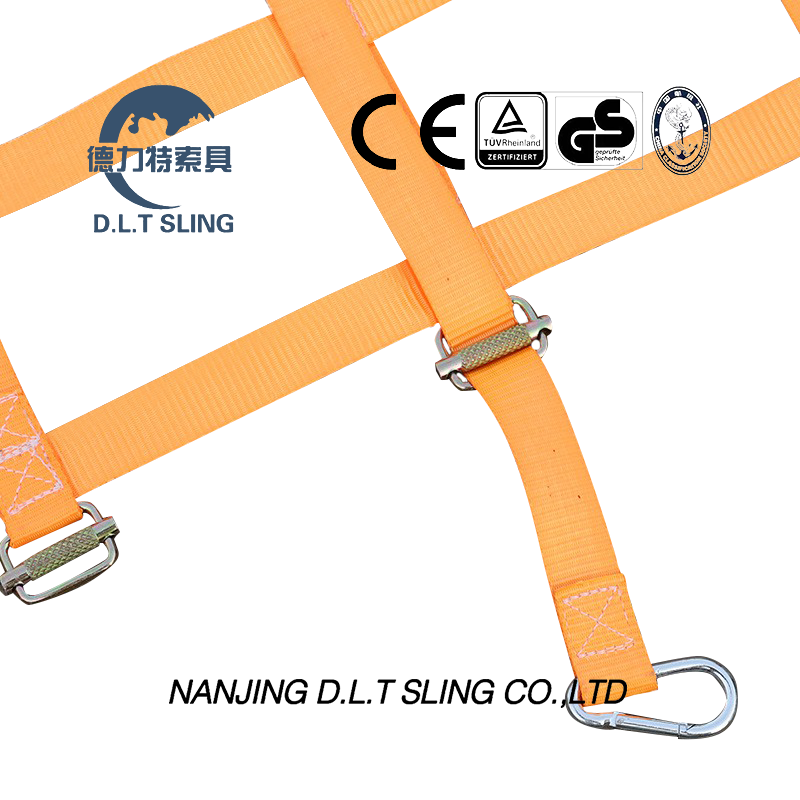
You cannot purchase load securement gear blindly. Proper sizing ensures optimal performance and maximum road safety. Buying an oversized net leads to dangerous loose flapping. Buying an undersized net leaves critical cargo edges exposed.
The mesh aperture directly determines functionality. Aperture refers to the exact size of the square holes comprising the grid. Small mesh prevents tiny debris from escaping into traffic.
Perimeter border construction matters just as much as the interior grid. The outer edges endure the absolute most stress during tensioning. You must carefully evaluate the necessity of reinforced edges. Look for strategic grommet placement along the borders. Examine the integration of heavy-duty webbing strips sewn over the grid ends. These reinforced features prevent edge fraying over repeated uses. A weak border unravels quickly, destroying the integrity of the entire net.
Custom securement requirements demand precise measurements. Eyeballing dimensions usually results in ill-fitting gear. Follow this custom specification checklist before submitting an order:
Your cargo mesh netting remains utterly useless without proper hardware integration. Standard plastic hooks fail routinely under highway wind sheer. Sudden braking shatters cheap anchor points instantly. You must integrate robust tensioning mechanisms into the complete system. High-quality hardware ensures the webbing grips the load securely from departure to arrival.
To properly tension the net without crushing delicate cargo, you need precise mechanical control. Yanking on a static rope rarely achieves adequate tightness. Integrating a heavy-duty ratchet tie down provides this necessary accuracy. It allows you to dial in the exact tension required millimeter by millimeter. You avoid damaging fragile boxes while simultaneously preventing dangerous load shifts. The ratcheting mechanism locks the strap firmly in place. This prevents any tension loss caused by road vibrations. It delivers professional-grade force without requiring immense physical strength from the operator.
Hook selection plays a crucial role in overall securement stability. Basic S-hooks often slip out of anchor rings during sudden bumps. The moment tension releases slightly, the hook falls away. We heavily emphasize upgrading your connection points. Securing the load utilizing a double J hook ratchet tie down ensures maximum safety for heavy-duty applications. A double J design provides a much deeper, more secure bite. It locks onto standard D-rings and anchor rails much better than basic hooks. The dual-prong structure prevents twisting. It distributes the pulling force across a wider area of the anchor point, reducing the risk of tearing the vehicle's mounting ring.
Finally, always verify your Working Load Limit (WLL) alignment across the whole system. The WLL of your hardware must strictly meet or exceed the WLL of the webbing itself. A strong net attached to weak hardware creates a fatal bottleneck. If your net holds three thousand pounds, but your hooks bend at five hundred, the entire system rates at only five hundred pounds. Treat every component as a link in a chain.
Even the finest equipment degrades without proper care and attention. Implementing robust daily routines guarantees your equipment remains reliable. Neglecting these routines invites sudden failure.
Implement a strict pre-trip inspection protocol for every haul. Identify common signs of wear early. Look closely for extreme UV fading, which strongly indicates weakened chemical fibers. Check for frayed cross-stitching at high-stress intersection points. Run your hands along the perimeter to feel for hidden abrasions. Swap out any bent, rusted, or deformed hardware immediately. Never risk a highway trip using compromised straps or cracked hooks.
Tensioning requires balanced execution and strong situational awareness. Over-tightening crushes your cargo boxes and stresses the webbing fibers unnecessarily. Under-tightening allows abrasive load shifting. This constant friction cuts through strong fibers quickly during transit. You must find the optimal middle ground. Tighten the straps until the webbing firmly hugs the contours of the load. Pluck the straps; they should feel taut but not rigidly strained like a guitar string.
Proper storage prevents premature rotting and disastrous material failure. Never stow a damp net in a tight, unventilated space. Ensure the material dries completely in the open air before packing it away. Mildew destroys thread integrity over time. Keep the netting stored away from direct sunlight when not in active use. Placing it inside a dark storage bin drastically extends its operational lifespan. Simple atmospheric protection saves significant replacement costs.
Adoption risk frequently goes overlooked in larger fleet operations. Untrained staff may misunderstand complex load limits. They might use damaged equipment simply out of rushing or convenience. Provide thorough, hands-on training to all users. Everyone must correctly identify load limit tags before hitting the road. Institute a clear reporting system for damaged gear. Workers must feel comfortable discarding unsafe nets without fear of reprimand.
Choosing the right cargo mesh netting follows a straightforward, logical framework. First, accurately assess your maximum expected load weight. Next, select a highly durable material; polyester usually fits outdoor demands perfectly. Then, determine the appropriate mesh aperture size for your specific daily cargo type. Finally, systematically upgrade your securing hardware to match the required load limits.
True durability requires treating the net and hardware as a single, unified system. A failure in one minor component compromises the entire setup. Protect your assets, your personnel, and the public by investing in matched, professional-grade gear.
Take decisive action today to secure your cargo properly. Recommend a consultation with load securement specialists to review your exact needs. Browse specific product catalogs to match your heavy-duty load requirements with the right custom or pre-sized solutions.
A: Breaking strength is the absolute maximum weight a component handles before catastrophic failure occurs. Working Load Limit (WLL) is the maximum safe weight for continuous, everyday use. By industry safety standards, the WLL typically equals one-third of the total breaking strength. You must always base your purchasing and loading decisions strictly on the WLL to ensure maximum safety and compliance.
A: You can technically leave high-quality polyester netting outside, as it strongly resists UV rays and moisture. However, continuous, brutal weather exposure eventually degrades any material. Polypropylene or nylon nets will fail rapidly if left outdoors permanently. To maximize equipment lifespan, we highly recommend storing all securement nets in a dry, shaded compartment when not actively hauling.
A: Start by measuring the absolute maximum height of your typical loads. Next, measure the exact interior width and length of your specific truck bed or roof rack. Finally, record the precise distances between your built-in vehicle anchor points. Add a few inches of extra overlap allowance. This ensures the net can fully drape over irregular items safely.
A: Standard S-hooks easily dislodge from anchor points when the vehicle hits a bump and strap tension momentarily releases. A double J hook offers a much deeper, narrower bite. This specific design wraps securely around D-rings and anchor rails. It prevents accidental detachment during transit, making it the safer, more reliable choice for heavy-duty commercial loads.
A: Replacement frequency depends heavily on operational usage and environmental exposure. For daily commercial highway use under harsh sun, you might need to replace them annually. For occasional recreational use, high-quality nets easily last several years. You must replace the net immediately if you notice frayed webbing, torn cross-stitching, severe fading, or deformed hardware during pre-trip inspections.

