

close
Choose Your Site
Global
Social Media

Views: 0 Author: Site Editor Publish Time: 2026-07-16 Origin: Site


Synthetic lifting equipment degrades naturally over time. However, premature failure is almost always an operational oversight rather than a simple manufacturing defect. You might think standard daily exposure is harmless, but minor neglect quickly compromises load-bearing integrity. For procurement and safety managers, frequent replacement of lifting gear is a hidden drain on operational efficiency. It also introduces unnecessary compliance risks across active job sites. When gear constantly fails early, it interrupts critical workflows and creates dangerous liability blind spots. Extending the service life of a round sling requires moving far beyond basic handling procedures. In this guide, we will explore how to implement standardized care and rigorous, objective inspection routines. You will also learn stringent storage protocols designed to maximize your asset longevity safely.
Poor maintenance triggers severe operational consequences across your job sites. Failing gear stalls heavy lifting projects instantly. You face extended operational downtime while waiting for emergency replacements. Furthermore, using degraded equipment elevates liability risks significantly. A snapped line endangers your crew immediately. It also damages extremely expensive payload cargo.
We must separate predictable wear from unpredictable failure carefully. Normal operational wear happens gradually over many months of use. You can track this wear through regular documented inspections. Conversely, missing protective gear causes sudden, accelerated material degradation. Improper storage accelerates this silent breakdown even further.
A successful lifting program requires strategic asset management. It maximizes the lifecycle of every single asset within the webbing sling category. You achieve this optimization without ever compromising daily load security. Focus on proactive maintenance to ensure continuous equipment reliability. Many companies overlook these basic handling procedures initially. They later regret this oversight when sudden failures occur. Proper training bridges the gap between fast operations and safe operations. Every operator must understand how synthetic materials react to stress. Creating a culture of accountability extends equipment life naturally. When crews respect the tools, the tools perform better consistently. You avoid the frantic rush of ordering overnight replacements. Furthermore, your safety records remain clean and impressive for client audits. Ultimately, preserving your lifting assets is a core operational priority.
Rigorous inspections keep your job site inherently safe. We rely on a highly structured approach to catch defects early. Regulatory bodies require strict adherence to these daily routines. Ignoring these frameworks leads directly to dangerous equipment failures.
Implement this comprehensive three-tier system to ensure absolute compliance:
Operators must know exactly what specific damage to look for. Critical visual indicators reveal severely compromised structural integrity. Watch out carefully for deep cuts on the outer protective cover. Localized abrasion usually signifies improper edge contact during previous lifts. Melted fibers clearly indicate dangerous proximity to extreme heat sources. Brittle textures often point directly to hidden chemical damage. A common mistake is ignoring small snags on the outer cover. These tiny snags quickly unravel under heavy tension.
Industry standards provide a highly trustworthy baseline for safety. Your internal inspection protocols should align closely with OSHA guidelines. Furthermore, ASME B30.9 sets specific, non-negotiable criteria for synthetic lifting gear. Following these stringent frameworks keeps your operations fully compliant. It also demonstrates a clear commitment to workplace safety protocols.
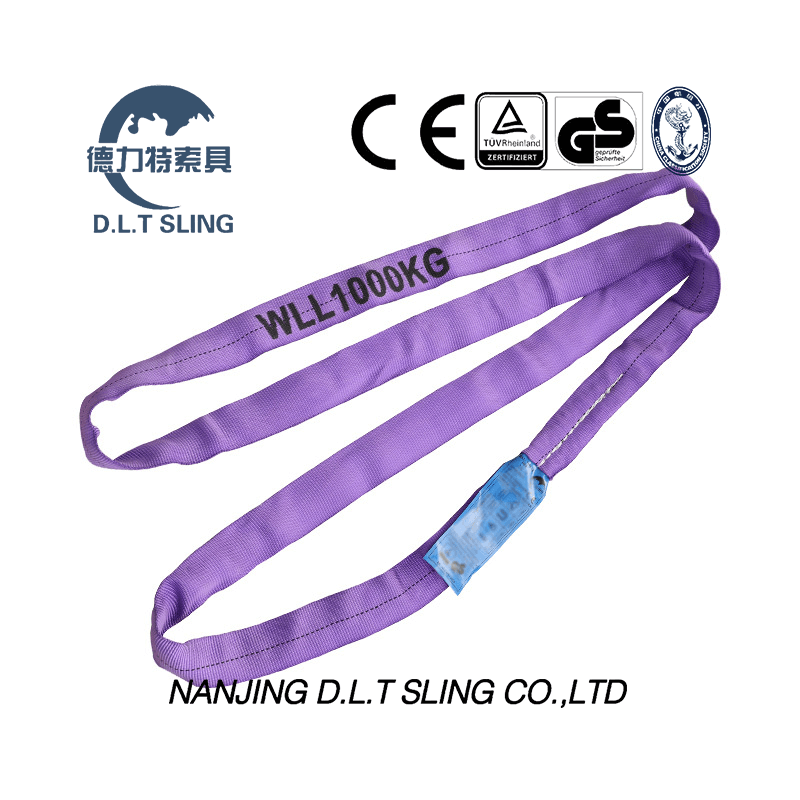
Proper daily handling prevents the vast majority of unexpected failures. You must actively protect synthetic fibers from harsh physical trauma. Daily wear and tear is normal, but abuse is entirely preventable.
Never use unprotected gear directly over sharp edges. Load tension turns a mildly sharp corner into a cutting blade. This intense sheer force easily slices through standard polyester jackets. You should introduce proper protective sleeves and wear pads immediately. Corner guards serve as highly essential complementary cargo control products. They distribute intense pressure safely across the entire lifting surface. A best practice is mandating edge protection for every single lift. Do not rely on visual estimates of edge sharpness.
Standard polyester possesses very specific physical and chemical limits. We must respect these boundaries strictly to maintain structural integrity. Exceeding these limits degrades the material invisibly.
| Environmental Factor | Polyester Tolerance Limit | Potential Consequence of Exposure |
|---|---|---|
| High Temperatures | Up to 194°F (90°C) | Fibers melt, fuse permanently, and lose all load capacity. |
| Acidic Environments | Generally Resistant (Many Common Acids) | Minimal structural degradation occurs under normal exposure conditions. |
| Alkaline/Base Chemicals | Highly Vulnerable | Rapid chemical breakdown causes a highly brittle, unsafe texture. |
| Extreme Cold | Usually stable down to -40°F (-40°C) | Moisture freezing inside fibers may cause temporary abrasive stiffness. |
Operator habits directly impact your equipment's overall longevity. Never drag your lifting gear across abrasive concrete ground surfaces. Do not pull lines forcefully from under resting heavy loads. This intense friction burns the outer jacket incredibly quickly. Additionally, avoid twisting or knotting the internal core yarns. Knots drastically reduce the rated breaking strength of the equipment.
Always ensure the lifting path is entirely clear before applying tension. Smooth, controlled movements prevent unnecessary shock loading on the synthetic fibers. Shock loading occurs when a slack loop suddenly takes full tension. This sudden jerk snaps internal core yarns instantly. Train your crane operators to take up slack extremely slowly. Once the line is fully taut, they can proceed safely. We also recommend inspecting the crane hook itself regularly. A rusty or burred hook tears the inside of the lifting loop quickly. Keep all lifting hardware smooth and well-maintained at all times.
Where you leave your equipment overnight matters immensely. Silent degradation happens constantly during off-hours in poor environments. Many companies fail to realize how quickly poor storage destroys gear.
Prolonged exposure to direct sunlight literally destroys synthetic fibers. UV rays actively break down the delicate molecular bonds of polyester. This invisible radiation reduces breaking strength significantly over time. The outer jacket might still appear perfectly intact visually. However, the internal load-bearing capacity drops to dangerously low levels. Never leave your gear sitting outside on a flatbed truck. Always return items to a dark, protected storage area daily.
You must actively control the climate in your main storage area. We highly recommend creating an ideal, stable environment for your gear.
Do not toss expensive lifting equipment onto the dirty shop floor. We strongly recommend hanging them properly on dedicated wall racks. Use large rounded pegs or wooden A-frames to store them safely. Keep them entirely off the concrete ground at all times. Ensure they rest far away from heavy mechanical tools. Distance them completely from battery charging stations and welding splatter areas. Proper physical organization also speeds up the daily pre-shift inspection process.
Removing compromised gear promptly saves lives on the job site. Subjective guesswork has absolutely no place in lifting safety protocols. You need hard, objective rules for equipment retirement.
Safety tags provide essential load capacity and manufacturing trace data. You must establish an absolute rule for all field operators. If the manufacturer's identification tag is completely missing, discard the item. If the printed text becomes unreadable, retire the asset immediately. You cannot legally or safely use an untagged lifting device anywhere. Do not attempt to write the capacity back onto the tag. This strict compliance rule protects your company from massive liability.
The outer jacket serves a singular, critical protective purpose. It effectively shields the internal load-bearing core yarns from physical harm. Therefore, any jacket breach constitutes a critical safety failure. If you see the internal core yarns through cuts, stop lifting. If surface abrasions expose the inner threads, the item is hopelessly compromised. Replace it immediately to prevent catastrophic, unexpected load drops. Never attempt to stitch or patch a torn outer jacket.
Simply throwing a damaged item into an open bin is dangerous. Someone might retrieve it later and reuse it unknowingly. You must destroy the discarded asset completely before disposal. We advise cutting it into multiple, completely unusable small pieces. Slicing the core yarns guarantees it can never lift again. This proper decommissioning protocol effectively mitigates severe long-term liability risks. It is a fundamental best practice for responsible safety managers.
Buying replacement gear requires careful, strategic evaluation of performance metrics. Do not simply reorder the exact same failing items blindly.
Look far beyond the initial purchase sticker price. Evaluate the sheer durability of the protective outer jacket carefully. Examine the manufacturer’s internal abrasion testing standards in detail. High-quality jackets resist rough surface abrasions far better than standard options. Look for heavy-duty weaves or double-walled construction designs. Investing in better material construction extends asset life cycles significantly. It reduces the frustrating frequency of emergency procurement orders. Request technical specification sheets before finalizing any large fleet upgrades.
Sometimes standard industrial polyester fails despite your best protective efforts. Severe working environments actively demand high-performance synthetic fiber materials. Consider transitioning to advanced HMPE or Dyneema materials for tough jobs. These upgraded materials survive incredibly intense abrasion tests easily. They also resist harsh chemical degradation much better than standard polyester. Make this material switch if your gear repeatedly fails premature inspections. The enhanced strength-to-weight ratio also reduces operator fatigue during manual rigging.
Take immediate, decisive action to secure your daily lifting operations. Audit your current active equipment inventory thoroughly today. Order all necessary edge protection for your upcoming heavy projects. Standardize your internal purchasing criteria for all future lifting operations. Partner directly with reputable manufacturers who understand your specific industry challenges. Continuous improvement is the only way to maintain a flawless safety record. You should schedule a comprehensive fleet review every single year. Compare the failure rates of different brands within your facility. Discard underperforming suppliers who fail to meet strict quality standards. Build a long-term relationship with a supplier who offers technical field support. They can help you analyze damaged gear to determine the exact failure cause. This forensic approach prevents you from repeating the same operational mistakes.
Maximizing your asset longevity is absolutely never an accident. It results directly from systematic daily care and strict discipline. Proper storage protocols actively prevent silent environmental damage over time. Strict adherence to objective discard criteria keeps your rigging crew safe. You must actively eliminate guesswork from your daily field operations. We strongly encourage procurement and safety teams to act immediately. Review your site’s current storage facilities very carefully this week. Consult directly with a qualified lifting specialist soon. Equip your field teams with the right protective accessories and sleeves. Finally, source high-quality replacement inventory to build a fundamentally safer workplace.
A: Yes, but only with mild soap and water. Never use harsh chemicals, bleach, or high-pressure power washers, and always let them air dry away from direct heat or sunlight.
A: There is no fixed chronological lifespan. Service life is determined entirely by usage frequency, environmental exposure, and inspection results.
A: While both are often made of polyester and require similar environmental protection, round slings have load-bearing core yarns protected by an outer jacket. Any damage exposing the core of a round sling requires immediate replacement, whereas web slings are evaluated based on total material loss.

