

close
Choose Your Site
Global
Social Media

Views: 0 Author: Site Editor Publish Time: 2026-07-07 Origin: Site


Load failures carry immense financial and legal liabilities. Fleet managers face heavy FMCSA fines when securement fails. Increased insurance premiums and rejected high-value loads follow closely behind. Devastating road accidents remain the biggest threat to everyone. Every compromised load endangers your company reputation and public safety. Many buyers prioritize upfront procurement savings by choosing generic gear. However, dynamic transport stresses quickly destroy substandard equipment. These initial budget choices ultimately create severe operational risks. Investing in certified, quality cargo control products acts as a baseline risk-management strategy. This proactive approach ensures continuous DOT compliance across state lines. It thoroughly protects valuable fleet assets from preventable damage. It also secures supply chain integrity from origin to destination. You will learn how to evaluate hardware capabilities objectively. We will cover how to enforce compliance standards correctly. Finally, you will discover how to implement rigorous inspection protocols.
Hardware failure brings immediate financial penalties. Damaged freight ruins crucial customer relationships instantly. It demands expensive product replacements and rushed shipping. You also lose valuable transit time on the road. Schedule delays trigger heavy contract penalties from receivers. Trucks sit idle while dispatchers resolve the mess. The sheer cost of replacing rejected goods scales rapidly. Cheap straps might save pennies during procurement. However, they cost thousands when a load shifts mid-transit.
Poor load securement directly impacts your fleet CSA scores. DOT inspectors quickly issue out-of-service (OOS) violations for inadequate restraints. These strict violations ground your trucks immediately. They also flag your entire fleet for future roadside inspections. A poor compliance record alarms commercial insurance providers. They often raise premiums based on frequent securement violations. Furthermore, severe negligence can trigger legal action from highway authorities.
Transit forces multiply physical stress on webbing and hardware. Hard braking shifts heavy freight violently forward. Rapid acceleration pushes cargo toward the trailer rear. Sharp turns create massive lateral pressure on side restraints. Bumps and potholes induce severe vertical bouncing forces. Cheap materials stretch excessively or snap under these dynamic loads. Low-grade metal buckles warp when subjected to sudden shock. High-quality cargo securement gear resists these extreme forces safely. They maintain strict tension despite constant road vibration.
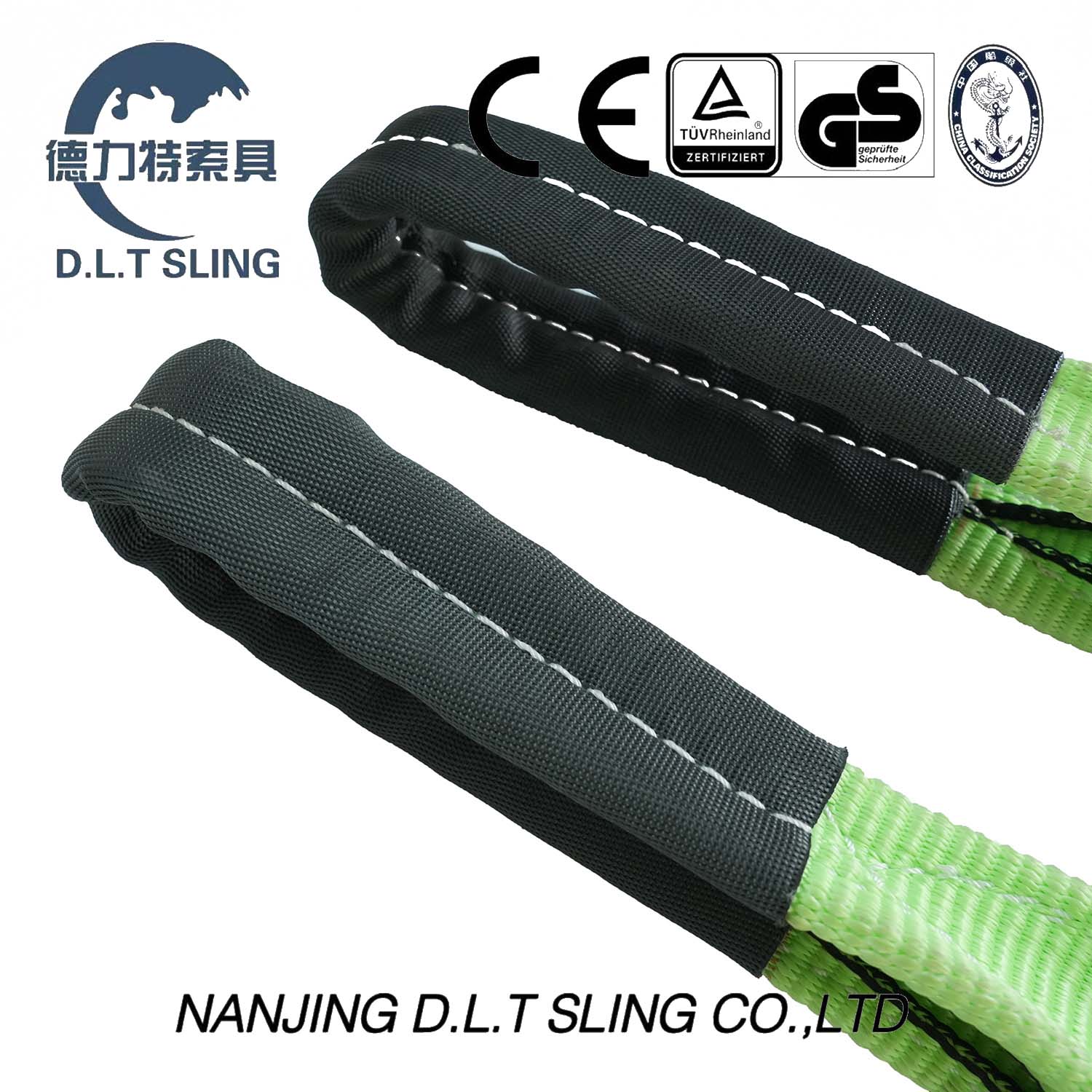
Webbing density matters immensely for commercial flatbed operators. Dense stitching prevents tearing when rubbing against cargo. UV resistance prevents solar degradation during long open hauls. You must also evaluate the actual hardware grade. A weak ratchet mechanism ruins a strong polyester strap. We see major differences depending on your trailer type. A flatbed winch system handles massive downward vertical pressure. It uses wide, flat hooks to grip the rub rail. Conversely, enclosed trailer E-track tie-downs secure lighter, palletized freight. They utilize spring-loaded fittings for interior walls. Their specific application dictates your ideal hardware choice. You must match the strap design perfectly to the trailer style.
Fleet operators frequently confuse towing and recovery gear. This mistake causes severe property damage and injuries. Heavy-duty tow straps feature rigid webbing and metal hooks. They provide steady, consistent pulling power over flat surfaces. You use them to tow disabled vehicles safely. Recovery straps act entirely differently in the field. They stretch significantly and violently snap back. This kinetic energy yanks deeply stuck vehicles free from mud. You risk fatal accidents if you misuse these categories. A metal hook on a stretching snatch strap becomes a deadly projectile. It can easily crash through a windshield if the line breaks.
Heavy-haul requirements demand highly specific metal chain grades. Grade 70 transport chains handle most standard flatbed loads. They feature a distinct gold chromate finish for identification. However, massive industrial machinery requires stronger metal alternatives. You should step up to Grade 80 or Grade 100 chains. These premium alloy chains offer vastly higher strength-to-weight ratios. They secure heavy bulldozers or giant steel coils effectively. Drivers pair them with heavy-duty forged chain binders. Ratchet binders offer safer tensioning than traditional lever binders. Lever binders can snap back unexpectedly and cause injuries.
Auxiliary products play a vital role in load safety. Corner protectors prevent sharp steel from cutting synthetic webbing. They distribute the strap pressure evenly across fragile cargo boxes. Rubber friction mats increase the coefficient of friction heavily. Drivers place them directly beneath wooden pallets or metal skids. These mats stop freight from sliding during transit. They significantly extend the lifespan of your primary restraints. Less sliding means less abrasive wear on your straps.
Mathematical standards dictate strict cargo securement ratings globally. The Working Load Limit (WLL) typically represents one-third of the Breaking Strength. WLL is the maximum safe weight for everyday use. Breaking Strength is the absolute failure point in a laboratory. Many budget suppliers aggressively market only the Breaking Strength. They use this inflated number to trick inexperienced buyers. A strap rated for 10,000 pounds Breaking Strength only has a 3,333-pound WLL. You must always calculate actual securement using the verified WLL. Relying on Breaking Strength ensures dangerous overloading.
Webbing material dictates operational performance under intense stress. High-tenacity polyester dominates the modern tie-down industry. It offers low stretch and high resistance to physical abrasion. Polyester repels water effectively and resists weather damage. Cheaper nylon stretches excessively under heavy cargo loads. This stretching causes freight to loosen gradually during transit. Polypropylene blends degrade rapidly when exposed to direct sunlight. They become brittle and snap without much warning. We recommend premium polyester for almost all primary tie-down tasks.
The comparison chart below highlights the physical properties of common webbing materials used today.
| Material Type | Stretch Factor | UV Resistance | Water Resistance | Best Use Case |
|---|---|---|---|---|
| Polyester | Low (Minimal) | Excellent | High | Primary cargo tie-downs |
| Nylon | High | Moderate | Moderate | Vehicle recovery operations |
| Polypropylene | Moderate | Poor | High | Light-duty indoor securing |
Law enforcement demands clear traceability during weigh station stops. Inspectors look for legible, manufacturer-sewn WLL tags on everything. The tag proves the strap meets official industry standards. Missing tags automatically reduce a legal rating to near-zero. A faded tag forces inspectors to use the lowest default capacity. This instantly triggers an expensive securement violation. Quality manufacturers use robust, UV-resistant tag materials. Some even weave the WLL directly into the strap fibers. This prevents compliance issues if the external tag tears off.
The FMCSA strictly enforces aggregate working load limits. Your total WLL must equal at least 50% of the cargo weight. Length-to-weight ratios also strictly determine your minimum tie-down count. Officers measure these ratios carefully during roadside inspections. You face severe fines if you fall short.
Follow these federal rules to calculate minimum required restraints:
Advanced securement frameworks protect specific, high-risk load types. Heavy machinery requires direct, four-point chained securement minimums. You must attach chains to the designated factory anchor points. Steel coils demand specialized chocking blocks and heavy-duty chains. You must route them exactly through the coil eye. Standard straps cannot safely restrain these highly concentrated loads. Failing to follow these advanced frameworks invites gross negligence claims. You must secure specialized freight according to strict commodity-specific FMCSA rules. Ignorance of these specific regulations never works as a legal defense.
You must establish clear criteria for pulling equipment out of service. Visual inspections prevent catastrophic roadside hardware failures. Drivers should check their gear thoroughly during every pre-trip walkaround. They must also check tension within the first 50 miles. En-route checks ensure loads remain perfectly stable.
Remove equipment immediately if you spot these specific defects:
Equipment only performs to its rating when used correctly. A flawless setup prevents dangerous load shifts entirely. Twisted straps reduce overall structural strength by up to 50%. A twist creates uneven tension across the webbing fibers. Improper anchor point utilization creates extremely dangerous leverage points. Hooking a strap to thin sheet metal guarantees failure. Drivers must receive continuous hands-on training. They need to fully understand these critical mechanical realities. Video tutorials and practical demonstrations improve retention significantly.
Proper maintenance extends the physical lifespan of high-quality gear. Keep your equipment away from pooling water to prevent rust. Lubricate ratchet mechanisms lightly to ensure smooth daily operation. Avoid storing straps near harsh chemicals or battery acid. Acid destroys synthetic polyester fibers almost instantly. Prolonged direct sunlight slowly degrades webbing fibers over time. Roll your straps neatly after every single use. Store them in dry, well-ventilated aluminum toolboxes. Avoid tossing tangled wet straps into a dark corner.
Look for suppliers who follow strict domestic testing standards. The WSTDA (Web Sling & Tie Down Association) provides reliable safety guidelines. Reputable manufacturers publicly share their internal testing protocols. They regularly pull test straps on calibrated industrial machines. They also maintain transparent material sourcing practices constantly. You deserve to know exactly where your critical hardware originates. Avoid suppliers who hide their manufacturing origins. Hidden origins usually indicate cheap, unregulated offshore production.
Avoid vendors offering only basic, one-size-fits-all hardware options. Diverse fleets require highly specialized solutions for different loads. Enclosed vans need distinct gear compared to heavy-haul flatbeds. A strong supplier offers everything from E-track systems to custom chains. They provide varied hook types, strap lengths, and colors. They act as a comprehensive partner for your specific operational needs. They can consult on difficult securement challenges effectively.
Reputable manufacturers proudly stand behind their breaking strength claims. They provide robust product liability frameworks to protect buyers. A strong warranty indicates supreme confidence in manufacturing quality. It shows they use premium materials and rigorous quality control. Cheap importers rarely offer legal backing when their products fail. If a cheap strap breaks and causes an accident, you hold total liability. A trusted partner shares that risk through certified product guarantees.
Cargo control gear represents a critical safety investment for your fleet. They are never just a cheap, disposable commodity. High-quality securement products actively protect your drivers, the public, and your valuable freight. Upgrading to quality hardware pays for itself very quickly. Avoiding a single costly OOS violation validates the initial investment. Preventing one damaged freight claim saves your business thousands of dollars.
Audit your current fleet securement gear thoroughly today. Check all webbing tags for absolute clarity and legibility. Finally, partner with a certified equipment supplier to bridge any existing compliance gaps.
A: You should replace them based on physical condition, not elapsed time. Daily use requires more frequent replacement than occasional hauling. Inspect gear before every trip. Look for visual failure indicators like cuts exceeding 5/8 of an inch, frayed edges, or melted fibers. Replace any strap with illegible tags or deformed hardware immediately.
A: Material stretch and end-fittings define the difference. Towing requires rigid polyester with metal hooks for steady pulling on flat surfaces. Recovery straps use highly elastic nylon with sewn loops. They stretch and snap back to yank stuck vehicles free. Never use metal hooks during recovery, as they can become lethal projectiles.
A: FMCSA inspectors will immediately assign a default, extremely low WLL to the strap. This default capacity rarely meets the minimum requirement for your cargo. Consequently, you will likely receive a securement violation. The inspector may declare your truck out-of-service until you replace the untagged strap with a properly rated one.
A: E-Track provides highly customizable, multiple anchor points along the trailer interior walls or floors. This allows drivers to secure freight exactly where it sits. It distributes load stress evenly across the trailer structure. E-Track accommodates various spring-loaded fittings, making it exceptionally versatile for mixed pallets and oddly shaped cargo.

